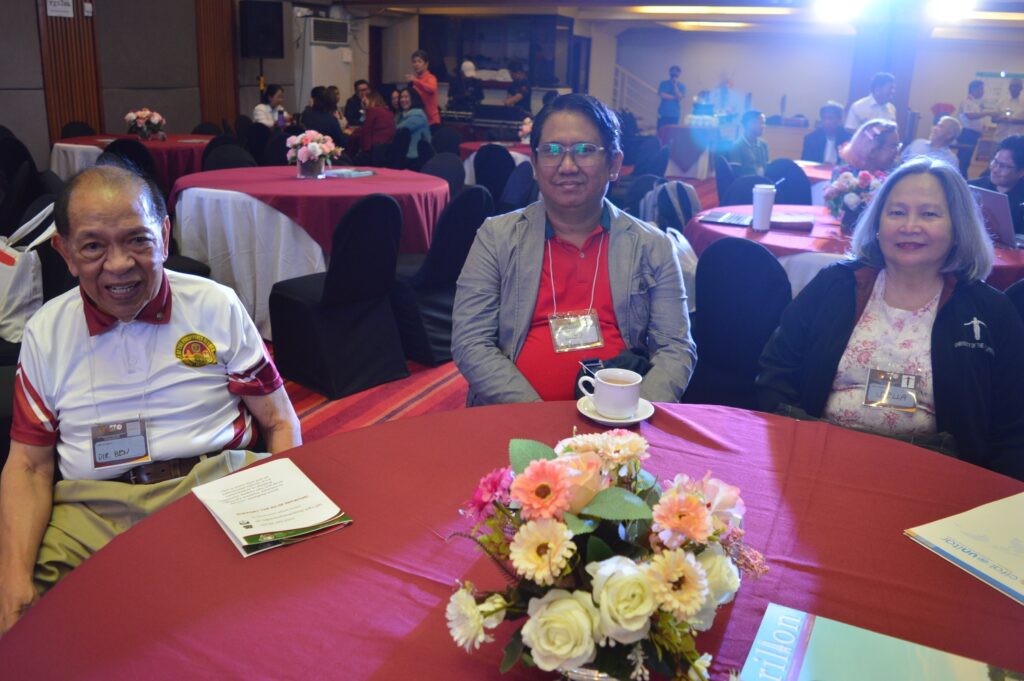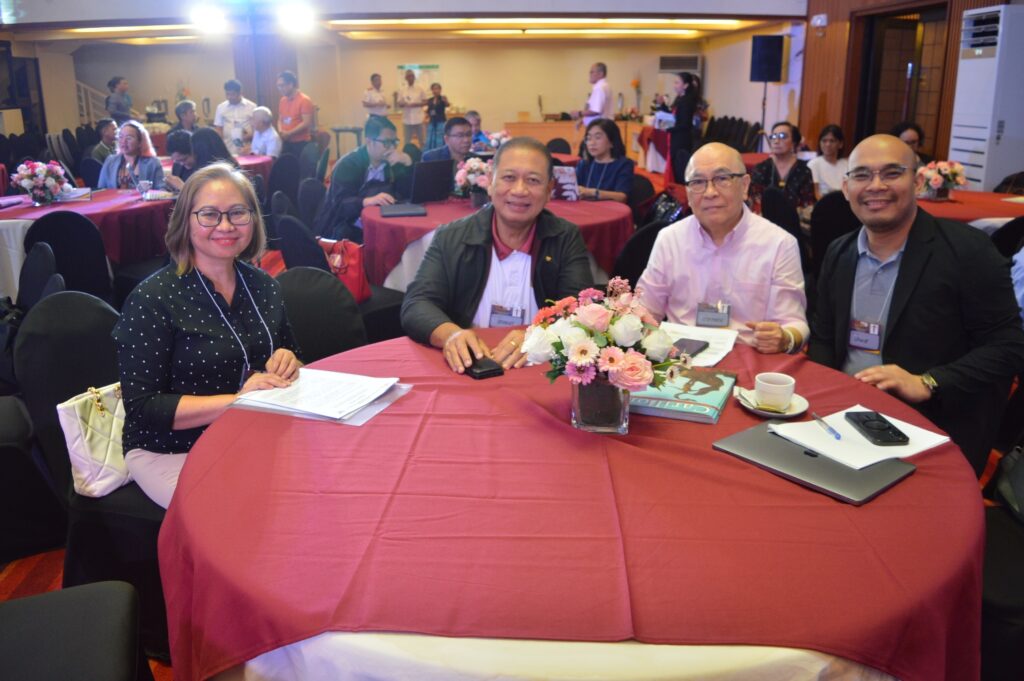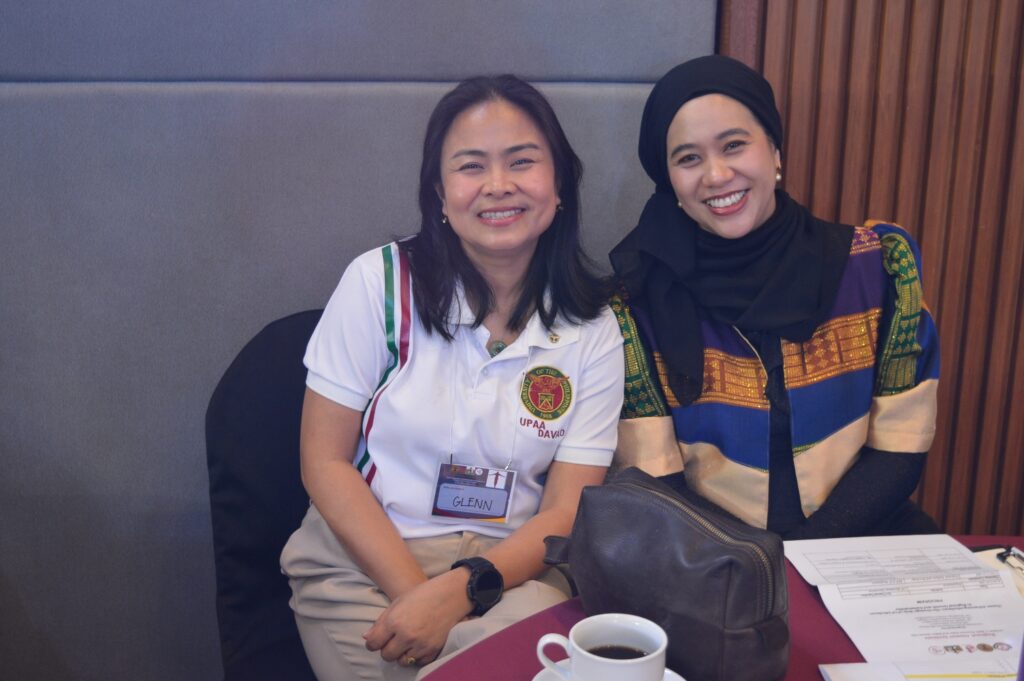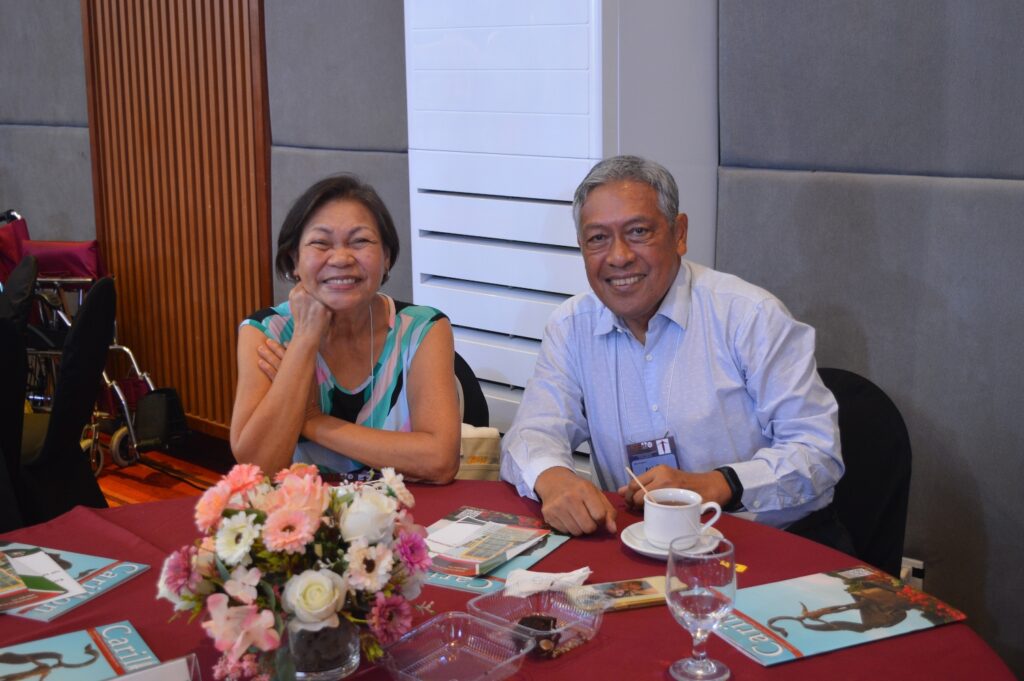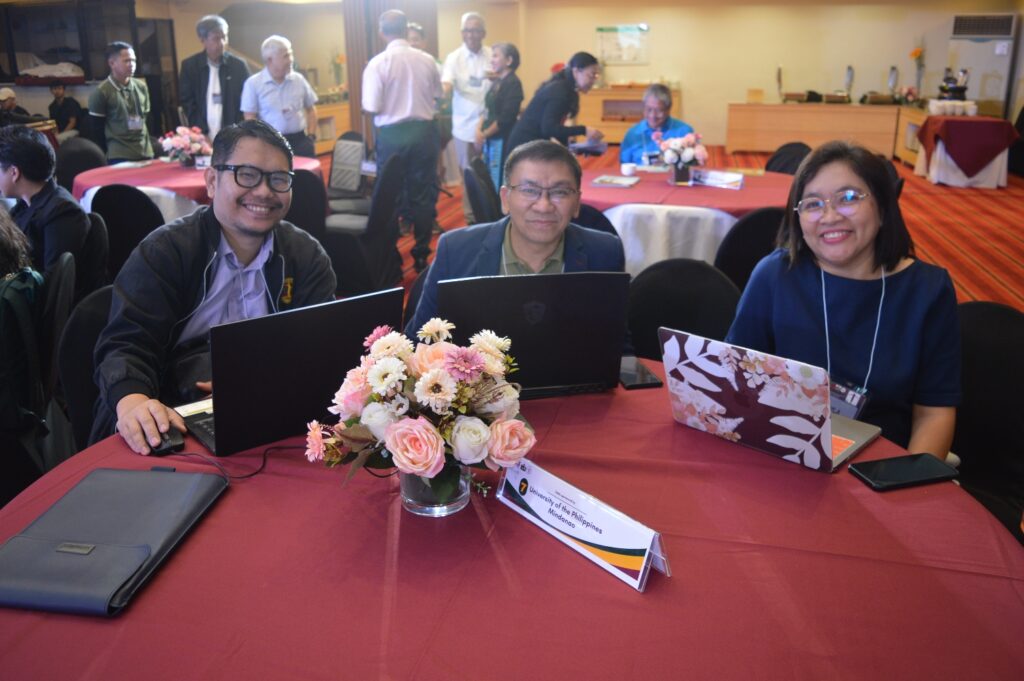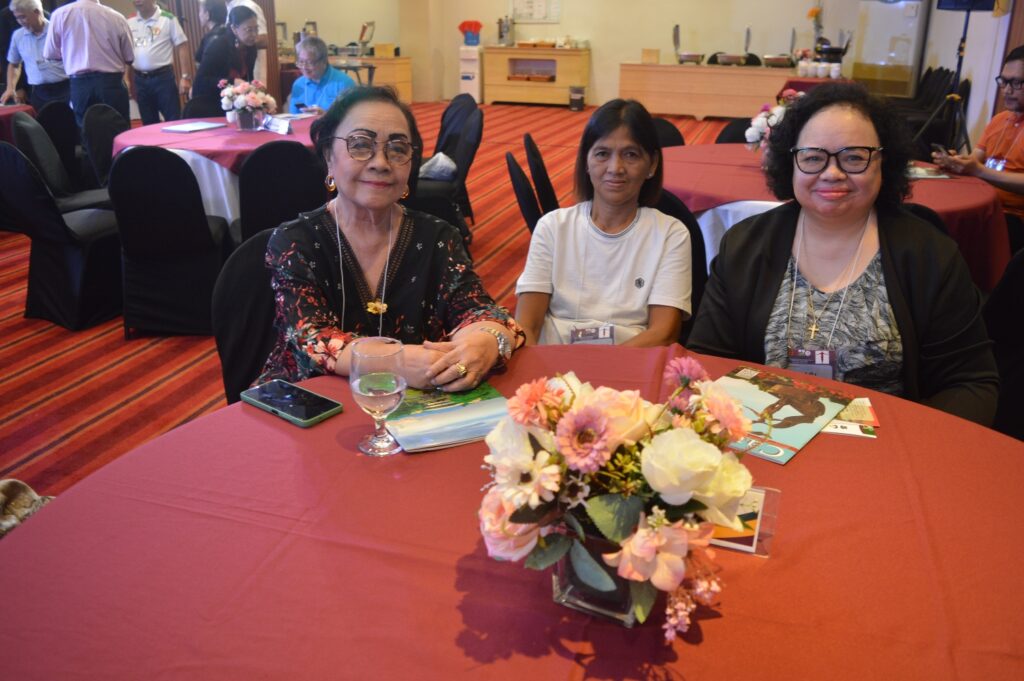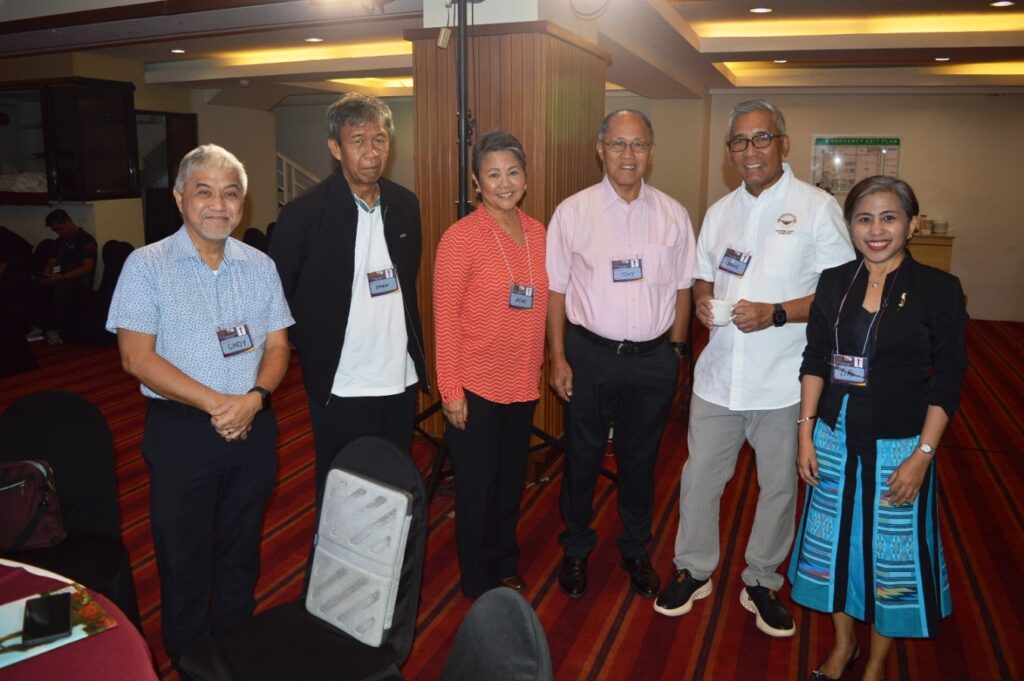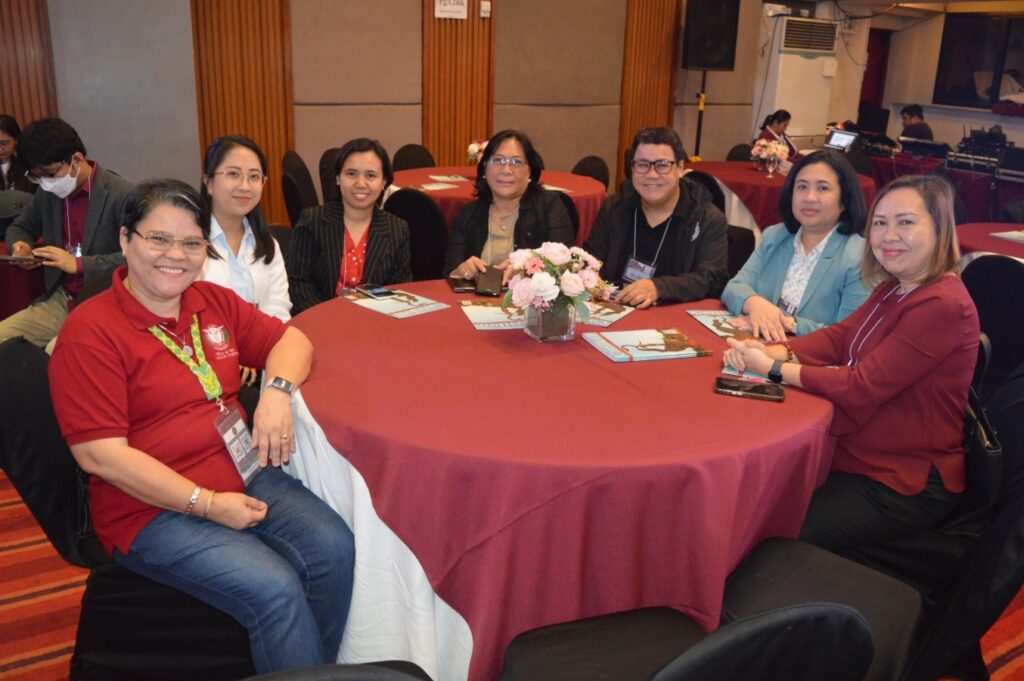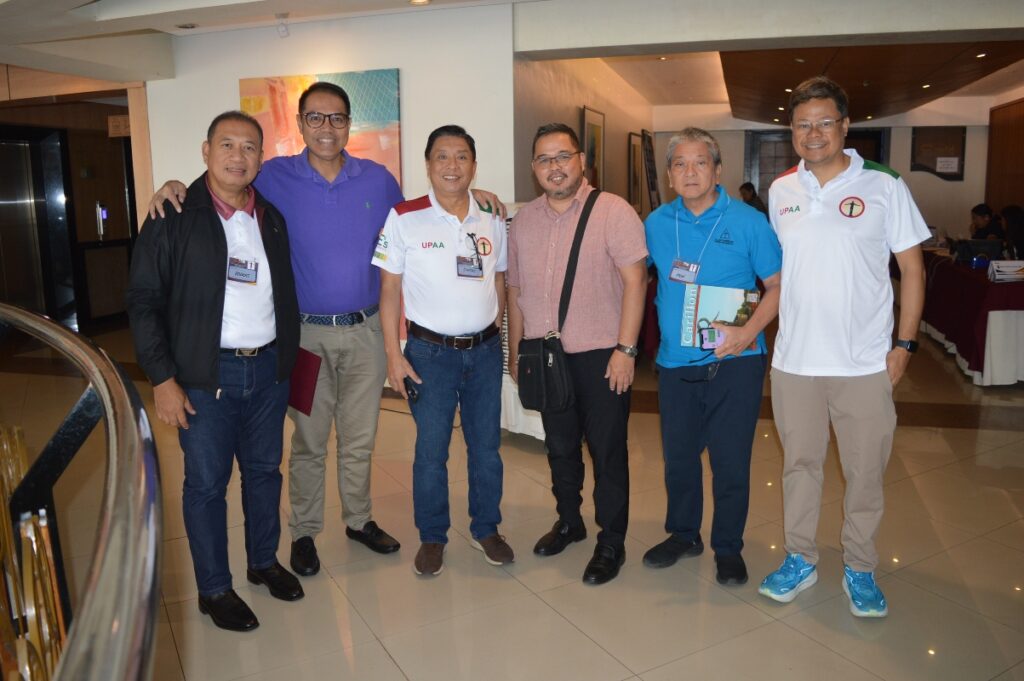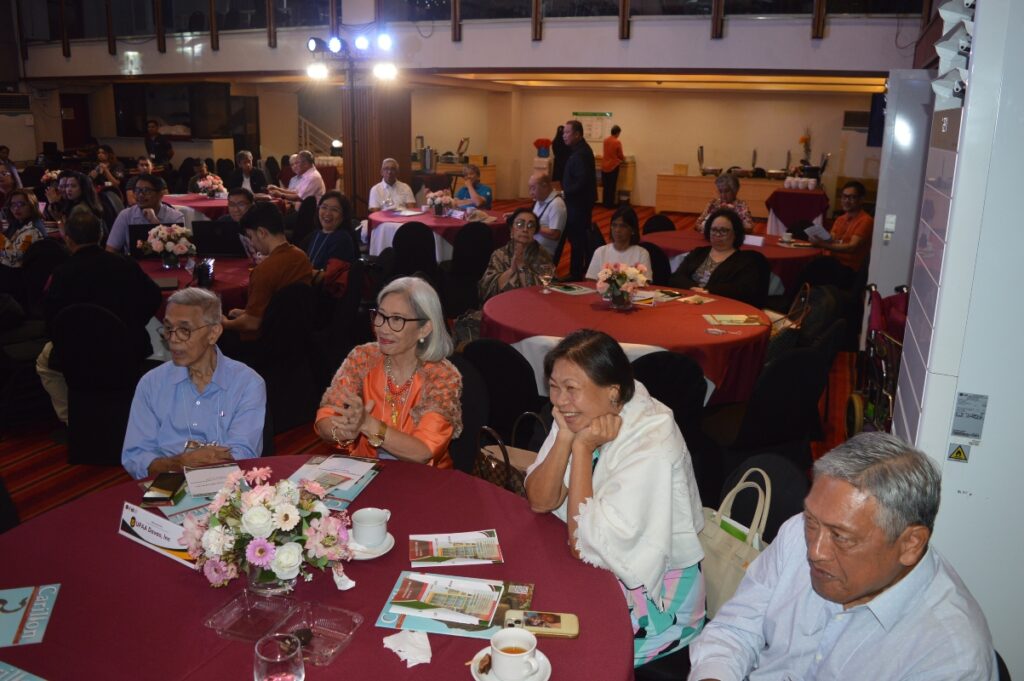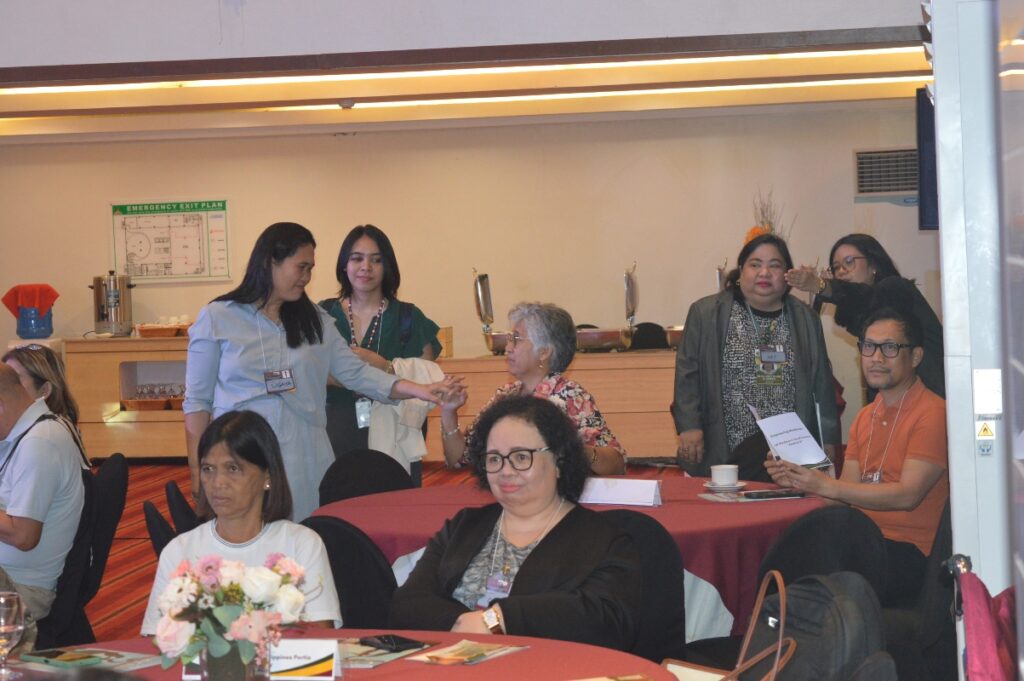
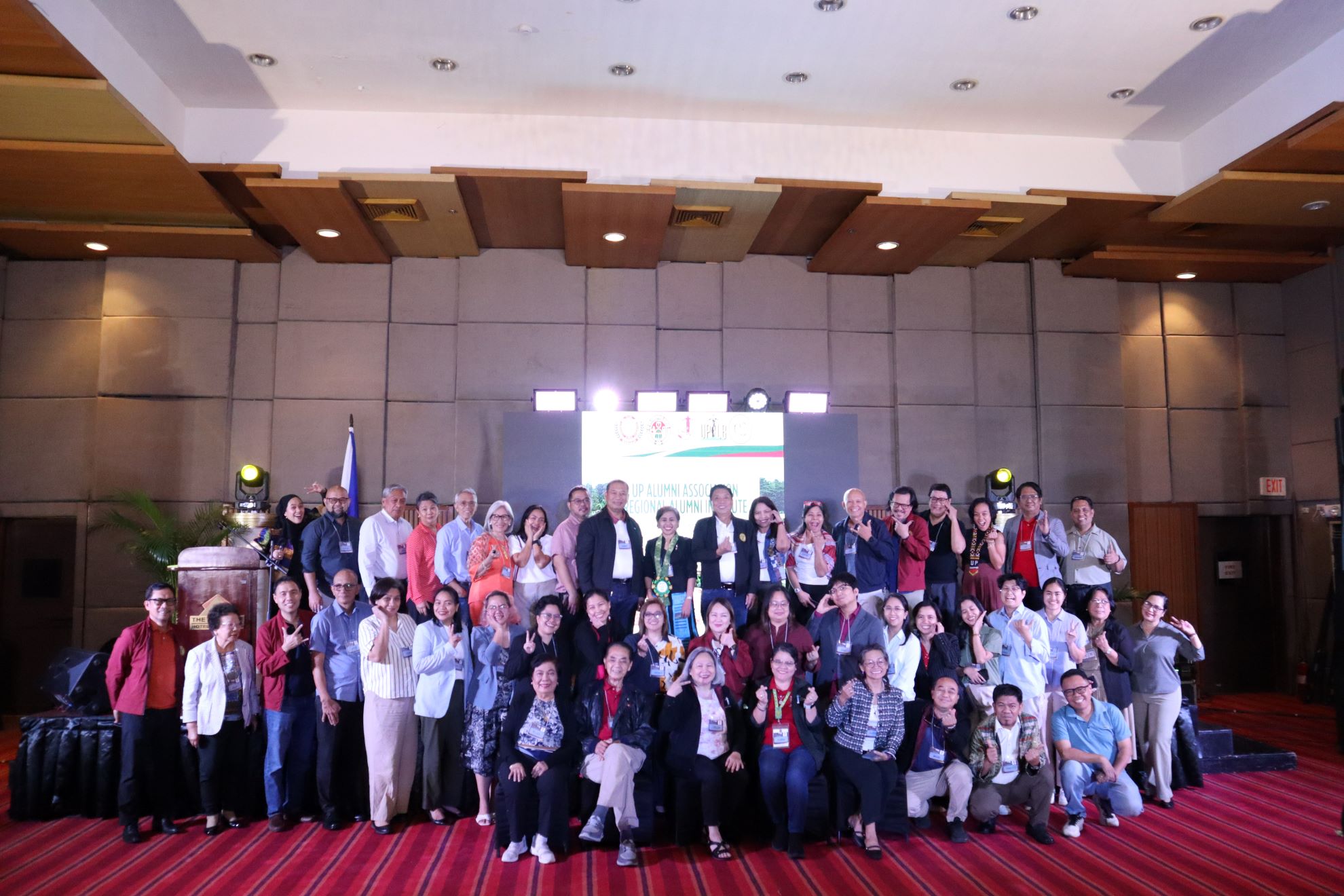
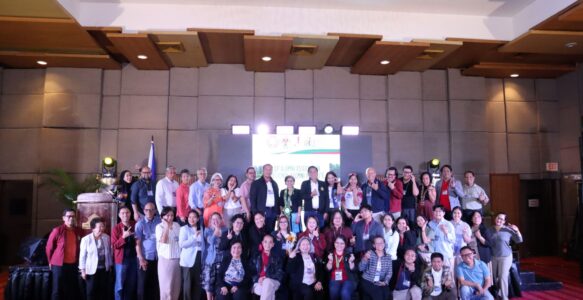

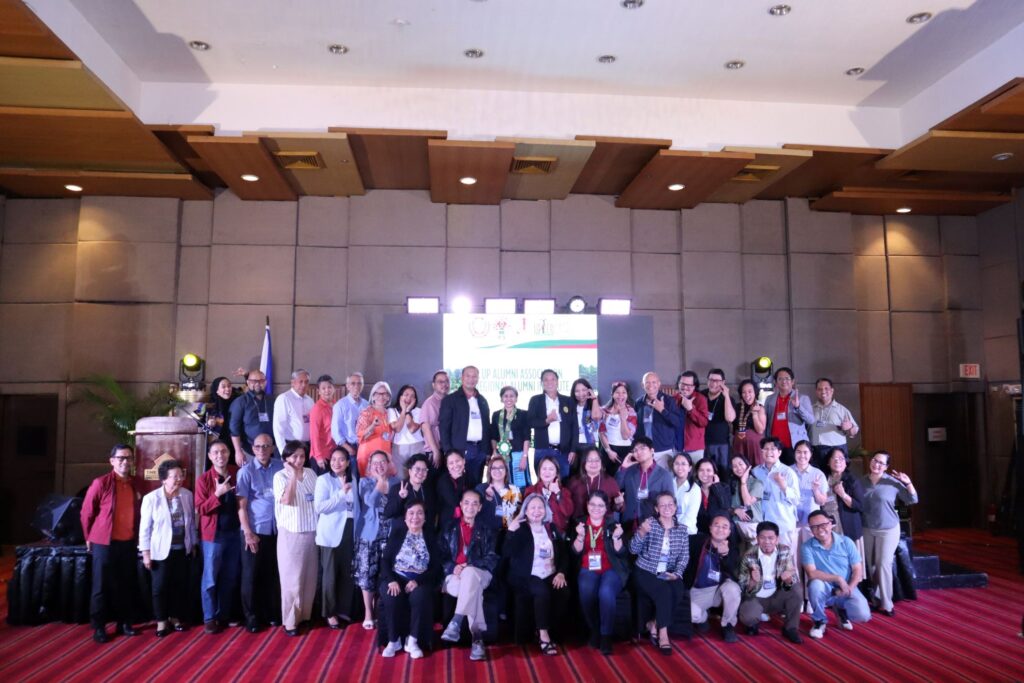
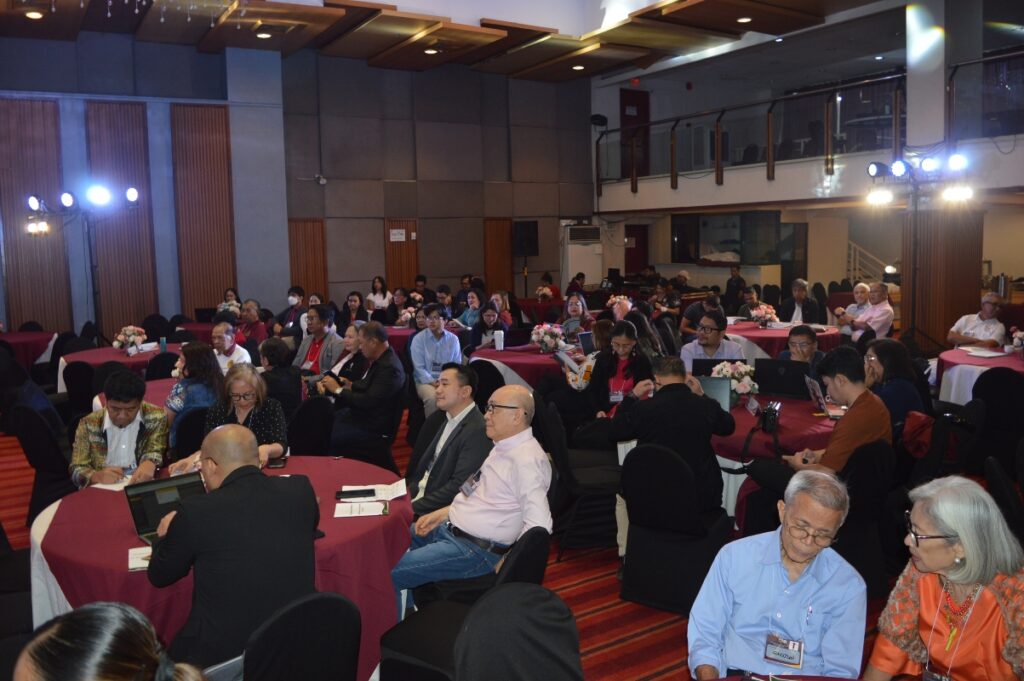
UP alumni and stakeholders pledged their continued support for the University of the Philippines Mindanao’s High-Impact Programs through the adoption of Resolution No. 01, Series of 2025, during the 2025 Regional Alumni Institute (RAI) held on October 3, 2025, at the Pinnacle Hotel, Davao City.
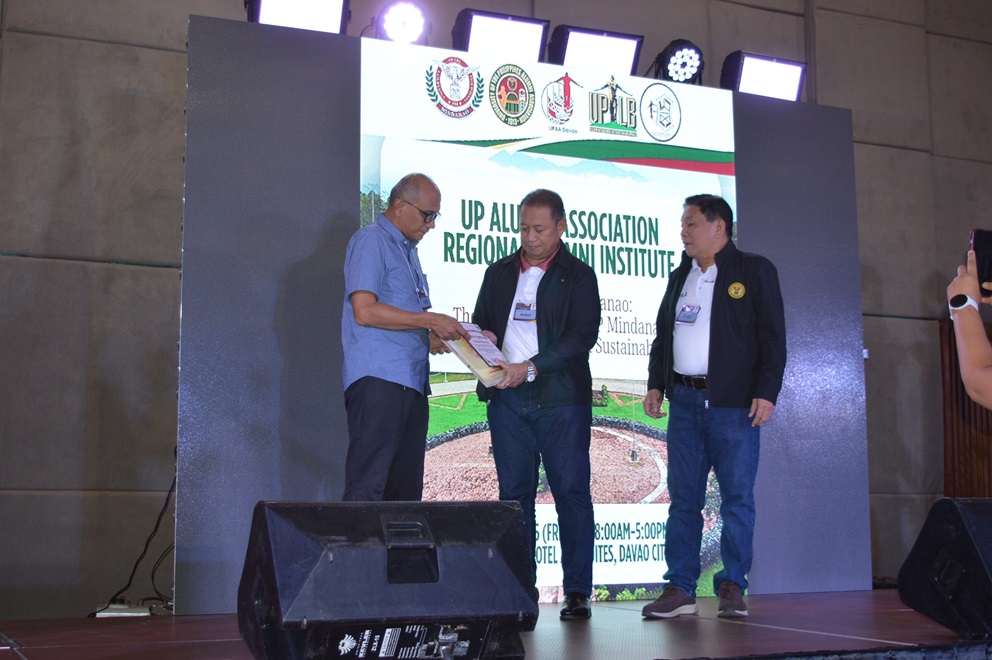
With the theme “Advancing Mindanao: The Role of UP Mindanao in Regional Growth and Sustainability,” the RAI culminated in the signing of Resolution No. 01, “A Resolution to Continue Supporting the Implementation of the 2019 UP Regional Alumni Institute (RAI) Resolutions and to Express Full Support for the High-Impact Programs of UP Mindanao.”
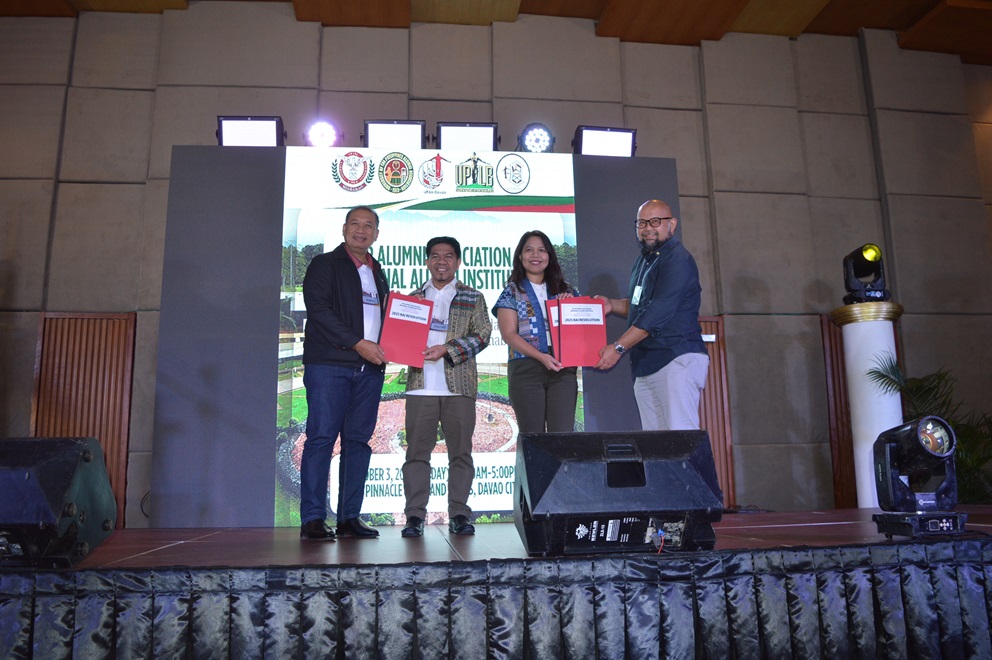
The resolution signatories were Robert Lester F. Aranton, UP Alumni Association (UPAA) President and UP Alumni Regent; Marie Glenn C. Sorila, Chairperson of UPAA-Davao; Michael Cantos, President of the UP Los Baños Alumni Association–Davao; and Ma. Catherine B. Otero, Chairperson of the UP Mindanao Alumni Association.
Copies of Resolution No. 01 were turned over to Mindanao Development Authority representative Dr. Makmod Pasawilan and UP Director for Alumni Relations Maria Tricia Yvonne Endozo-Villanueva, for endorsement to their respective boards.
The resolution title states the key UP Mindanao initiatives such as the Road to 5K (R2-5K) Expansion Plan, the Center for the Advancement of Research in Mindanao (CARIM), the Knowledge, Innovation, Science, and Technology (KIST) Park, the UP Bangsa Development Initiative (UP-BDI), and the Smart and Green Campus Program.
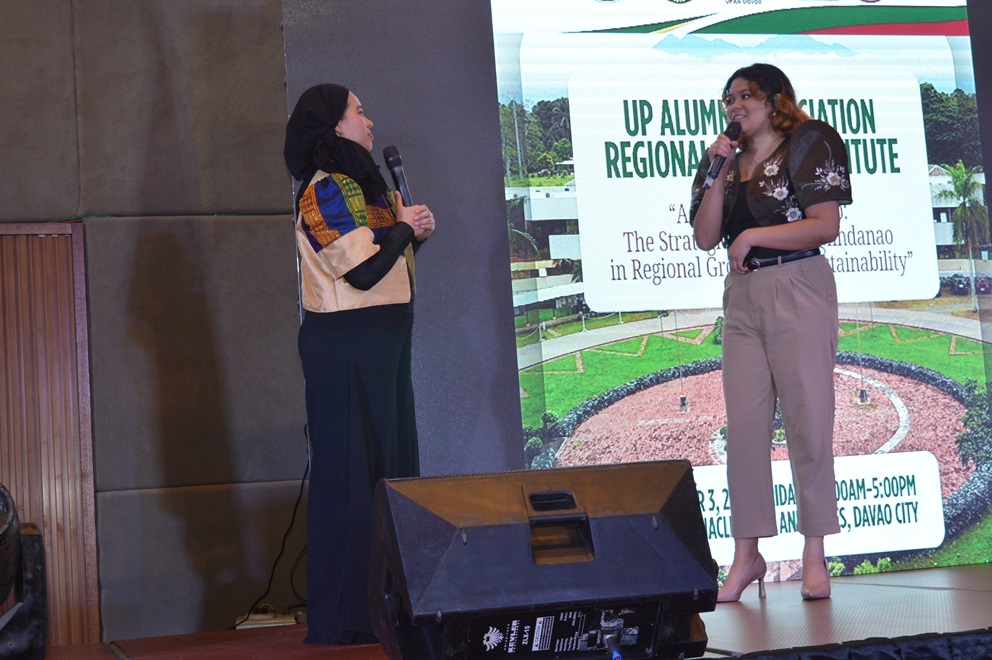
Earlier in the day, UP Mindanao Chancellor Lyre Murao presented these under the UP Mindanao Development Roadmap 2025–2028, anchored on three pillars: Education 5.0, Transformative Leadership and Governance, and Sustainable Campus Development. She identified the R2-5K initiative, targeting 5,000 enrollees by 2029, as a flagship program under Education 5.0.
Chancellor Murao also presented UPMin’s High-Impact Programs, including the planned KIST Park, the Lactic Acid Laboratory, AI and Robotics FabLab facilities, and UPMin’s recognition as a 2024 Presidential Awardee for its Technology Business Incubator. She further highlighted the UP Bangsa Development Initiative, Health Promotion, Volunteerism, Cultural Heritage Conservation, and the Smart and Green Community.
She cited UPMin’s ISO 9001:2015 and PRIME-HRM certifications as models of Transformative Leadership and Governance, and UPMin’s three-star energy rating from the Department of Energy as an example of Sustainable Campus Development.
“We invite you, our alumni and partners, to join us in this exciting journey,” she said. “Your support, your engagement, and your belief in the power of education are vital to realizing this vision.”
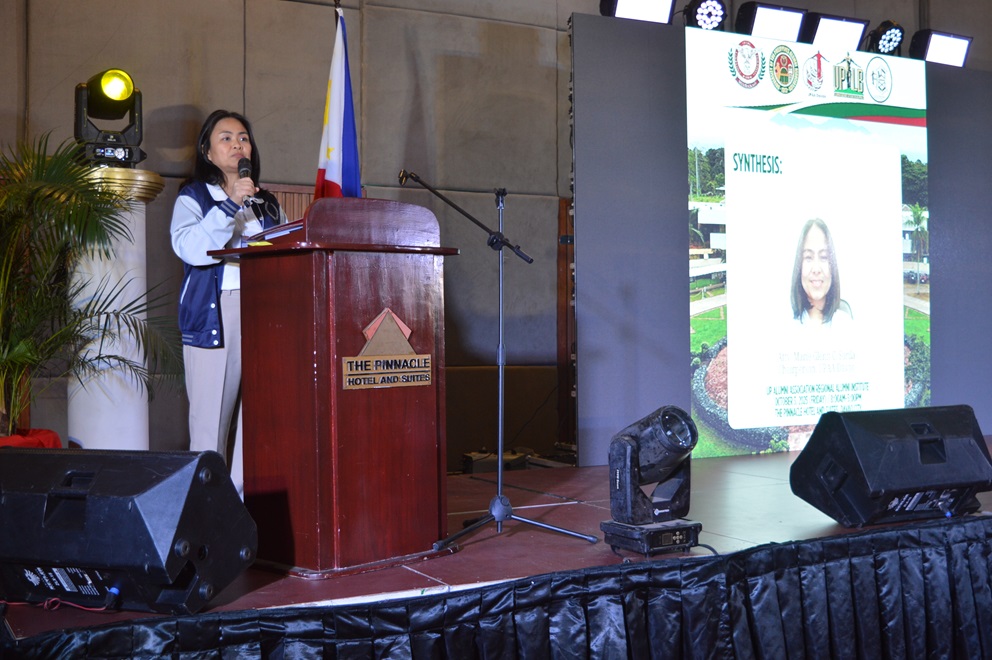
In the synthesis, Chairperson Sorila revisited the 2019 RAI Resolutions for UPMin, which are to expand academic offerings, implement a Sports Development Program, strengthen Research, Development, and Extension (RDE) on sustainable bio-systems, develop the KIST Park, open Medicine and Graduate Programs, establish an Agro-Eco-Cultural Botanical Garden, and seek special legislation in support of the UP Mindanao Development Plan.
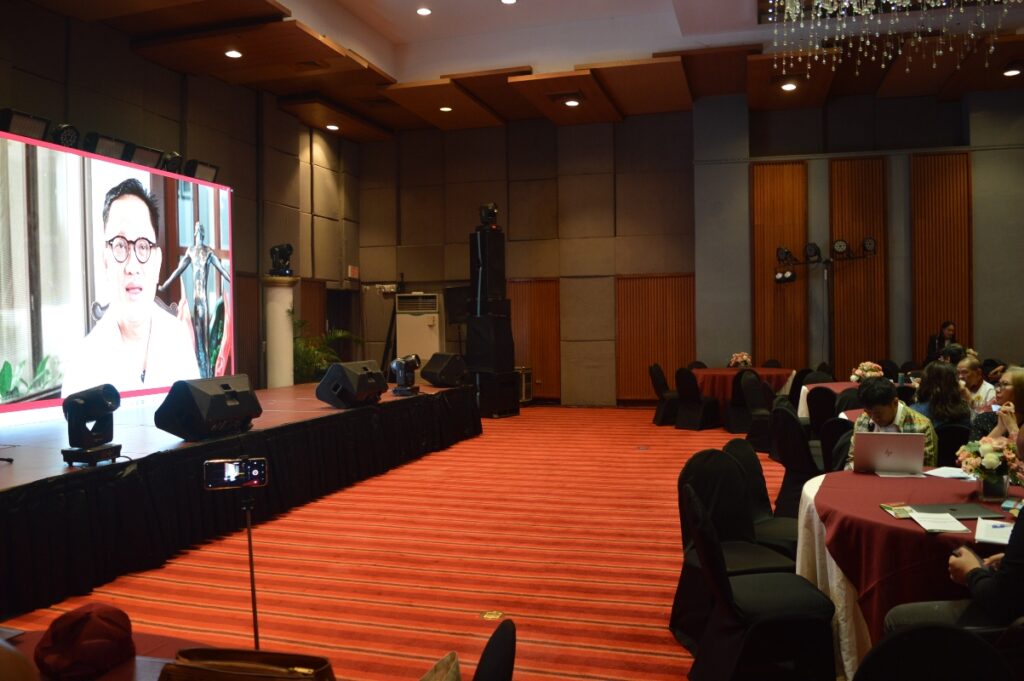
In his keynote message, UP President Angelo Jimenez—speaking via recorded video—expressed joy at seeing alumni and fellow Mindanaoans convene for regional growth and sustainability.
“The painful reality is that Mindanao still has the highest poverty incidence, which should serve as a call to action to the university and the alumni,” he said. “I challenge the alumni to give back, share knowledge, skills, wisdom, and work together for Mindanao and the country with honor, excellence, and service to the people.”
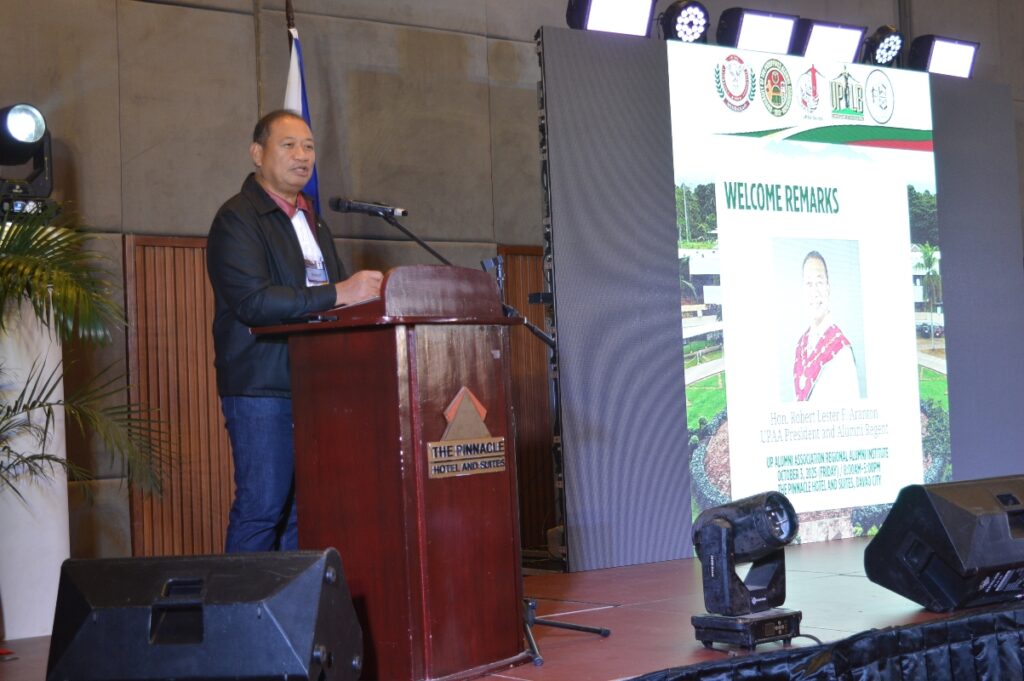
In his welcome remarks, Regent Aranton emphasized the university’s role in shaping public discourse and policy: “We can help clarify where UP Mindanao can add more value by turning studies into service and data into decisions,” he said. “By day’s end, our recommendations will be captured into a resolution that travels beyond this hall. We must link what we resolve here to what gets built out there.”
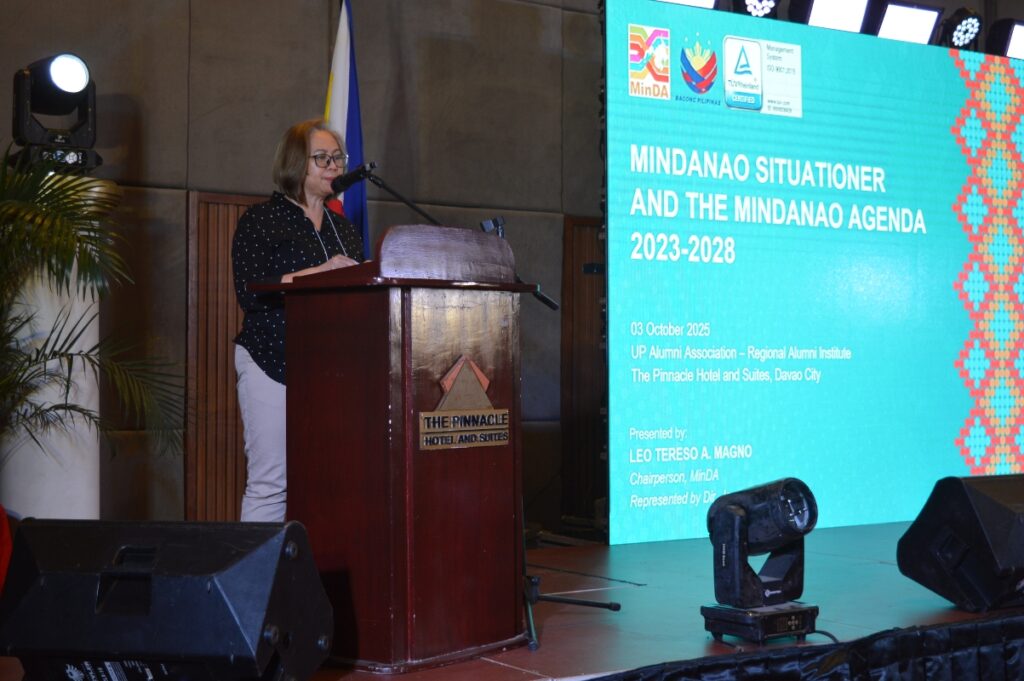
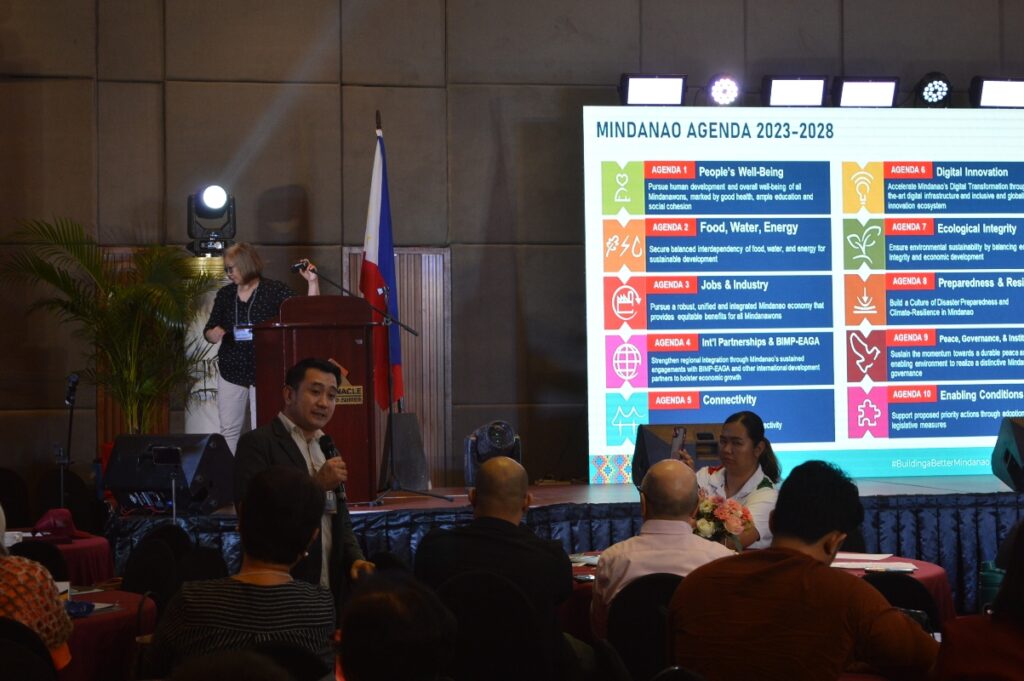
The first plenary session, led by Dir. Joan Barrera of the Mindanao Development Authority (MinDA) on behalf of Sec. Leo Tereso Magno, tackled the current Mindanao Economic Landscape and the Ten-Point Mindanao Agenda 2023–2028. This was followed by an open forum with Mr. Adrian Tamayo, MinDA Public Relations Director, contributing to the exchange.
The first panel discussion featured Mr. Dennis Salvador (Philippine Eagle Foundation), Prof. May Anne Mata (UP Mindanao Disease Watch and Analytics—DiWA), Mr. Stephen Antig (Philippine Banana Growers and Exporters Association), Dr. Ellenietta Gamolo (DOH-XI), and Ms. Daren Española, Chief Economist of BARMM, with Atty. Marianne Esther Guinomla as moderator.
The panel agreed that the academe is a vital partner in sustainable and inclusive development. Among their recommendations were to increase researcher density, promote science-based agricultural solutions, advance environmental and peace initiatives, and strengthen health collaborations through the UP Mindanao School of Medicine. Ms. Española praised the UP Bangsa Development Initiative for its potential to uplift BARMM communities.
The afternoon panel brought together MindaNews former Editor-in-Chief Carolyn Arguillas, Ramon Allado (Allado Construction), DOST Davao de Oro Provincial Director Mayan Inni, and Dr. Makmod Pasawilan (MinDA).
Ms. Arguillas challenged UP Mindanao to remain relevant to Mindanao’s changing realities. Engr. Allado highlighted the need for more infrastructure to achieve the R2-5K goals and pledged to help advocate for greater funding for UPMin.
Director Inni urged UPMin to become “UP na ramdam” in the communities—visible, impactful, and engaged—by aligning with national development priorities and proposing actionable STI projects. Dr. Pasawilan, meanwhile, encouraged UPMin to assist local government units through master planning, river assessments, and capacity-building initiatives aligned with the Mindanao Agenda.
Dr. Louie C. Juera of the Commission on Higher Education (CHED)–Region XI, speaking on behalf of Director Maricar Casquejo, shared that CHED is working to strengthen the researcher density in the Davao Region. He noted that UP Mindanao can play a vital role in this initiative by serving as part of a regional quality assurance team, assisting in the evaluation of exercise and sports programs in other state universities and colleges (SUCs), fostering faculty collaboration across institutions, and assessing PhD programs within the region.
“When UPMin thrives, the entire higher education ecosystem rises with it—and Mindanao is included in its inclusive growth and sustainable future,” he said.
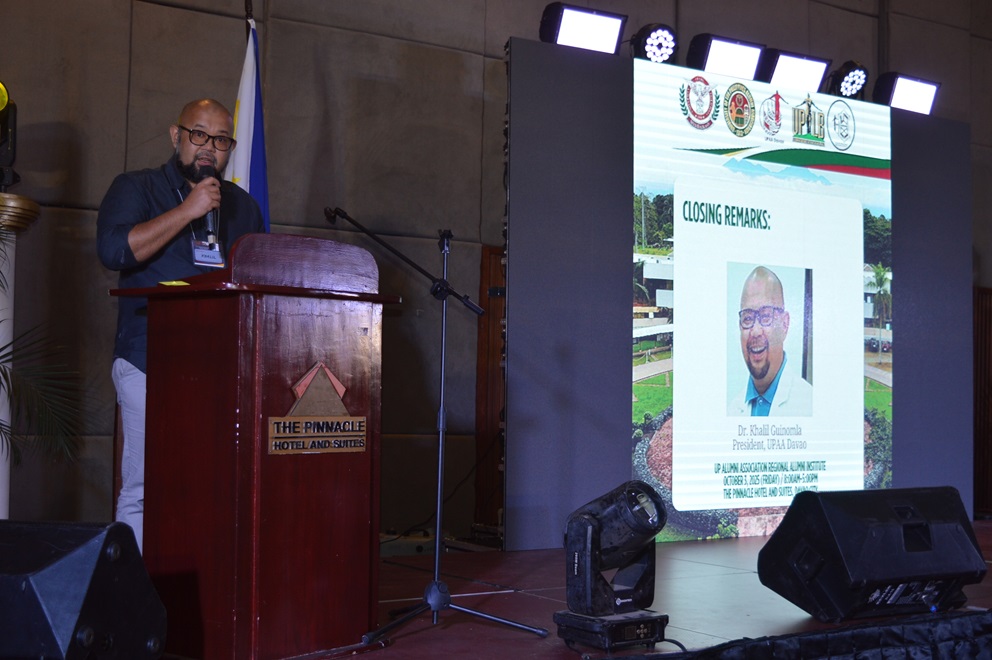
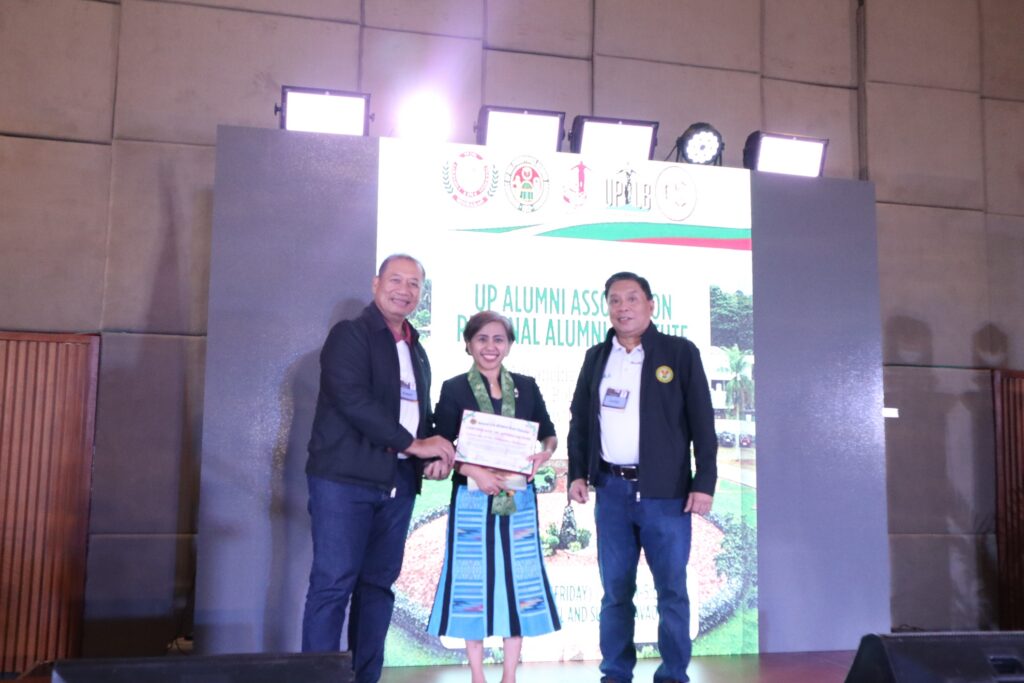
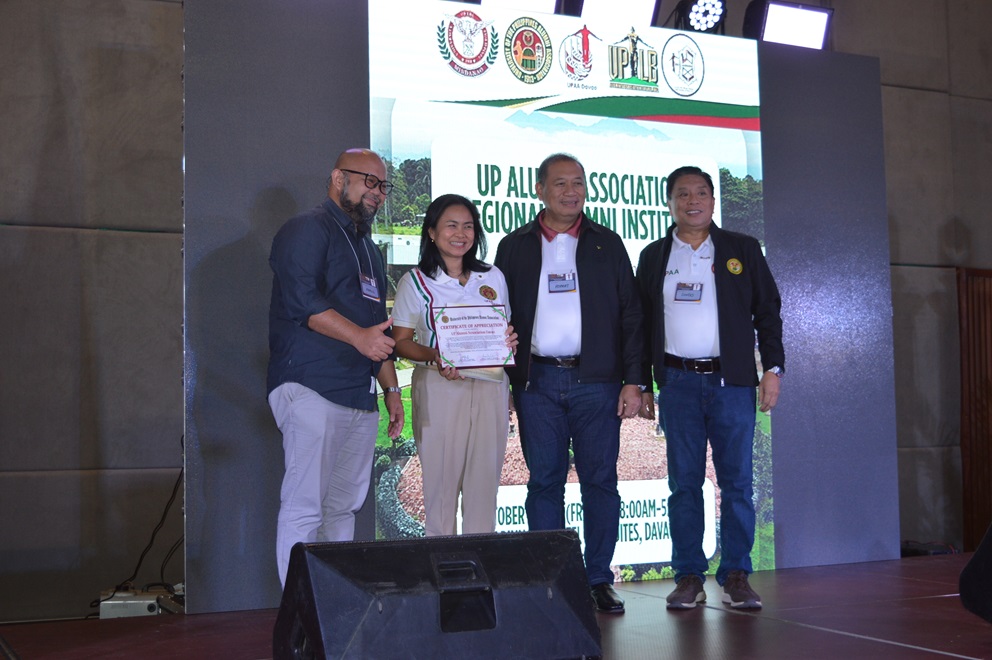
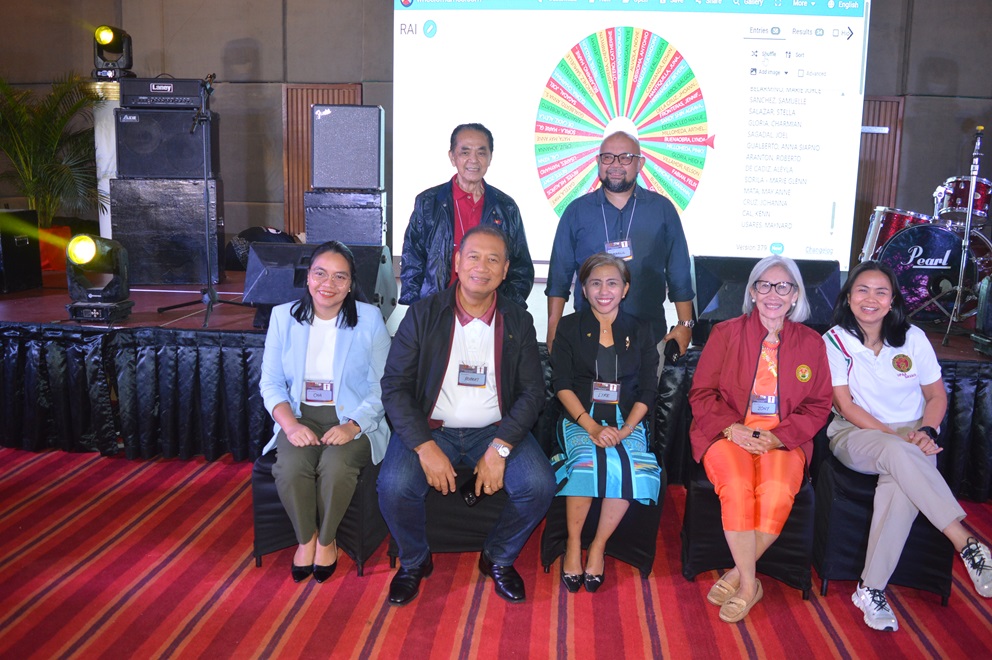
In closing, Regent Aranton and UPAA Director Fernando Sanchez issued certificates to the participants, and UPAAD President Khalil Guinomla delivered the Closing Remarks.
The Regional Alumni Institute (RAI) is a periodic forum organized by the UP Alumni Association (UPAA) National Chapter in collaboration with local alumni associations. It serves as a venue for alumni within a region to discuss key issues, share insights, and strengthen the UP alumni network. RAI gatherings promote collaboration, foster professional and personal connections, and highlight how alumni can meaningfully contribute to the region’s growth and development.
View the video playlist [here]
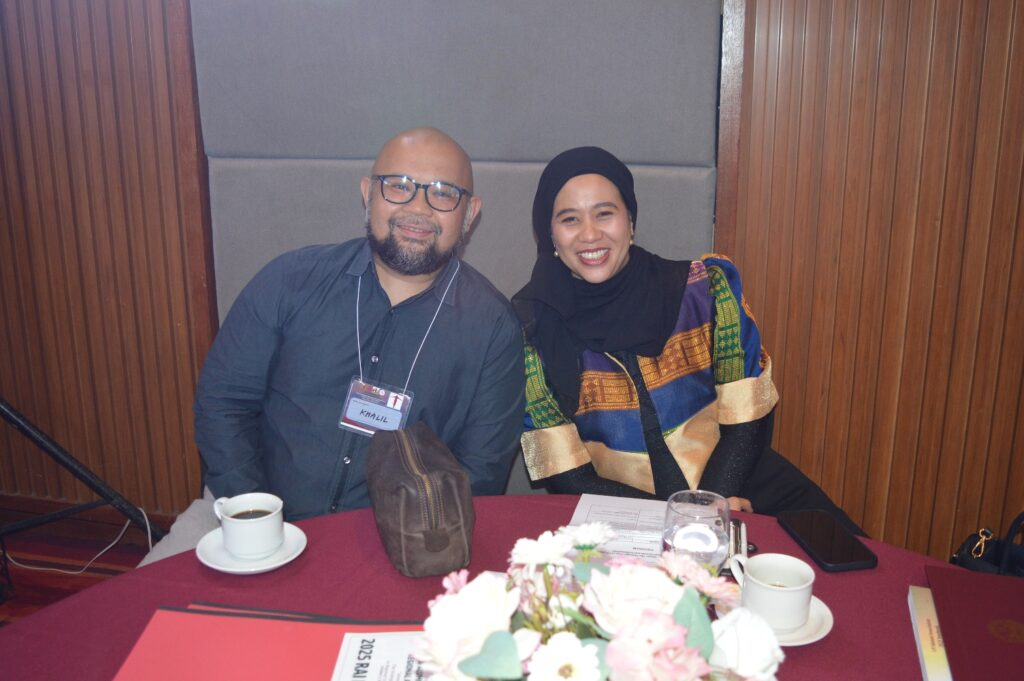
Khalil Guinomla (Beta Sigma), Marianne Esther Aniceto-Guinomla (Portia Sorority)